Overnight
Best for: late-night phone buying
Leave it in the cart until morning. Easiest rule to keep.
Proverbs 21:5, haste
Money · self-control · real life
For Christians who buy first and regret later: pick your moment, get one verse and one move.
Tap the moment that sounds like you.
 Free on iPhone · Fork and SOS free
The Bible never says “impulse buying”, but it is direct about the pattern behind it: haste leads to want (Proverbs 21:5), count the cost before you start (Luke 14:28), and a life is not measured by what it owns (Luke 12:15). Every verse on this page is quoted word for word from the World English Bible. Updated November 2026.
Most waiting rules work the same way: put time between the want and the purchase. They differ in how long, and in which verse sits behind them.
Best for: late-night phone buying
Leave it in the cart until morning. Easiest rule to keep.
Proverbs 21:5, haste
Best for: sales and countdowns
A day shows whether you wanted the item or were reacting to the timer.
Luke 14:28, count the cost
Best for: keeping up with others
Write it down and date it. A week sorts real wants from borrowed ones.
Luke 12:15, covetousness
Best for: anything over $100
Slow, but it protects big money and debt.
Proverbs 22:7, the borrower
A short rule you keep beats a long rule you break on day two.
We make Lampstep, a daily Bible verse app. It has no budget or spending tracker. What it does is rehearse moments like the 1 a.m. cart before they happen, which its App Store listing names directly.
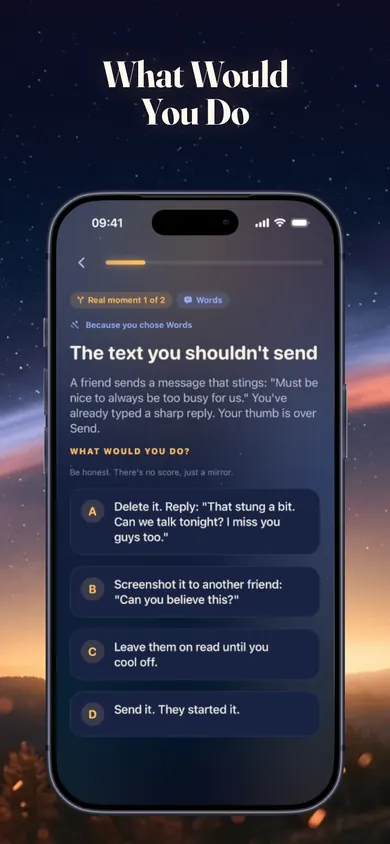
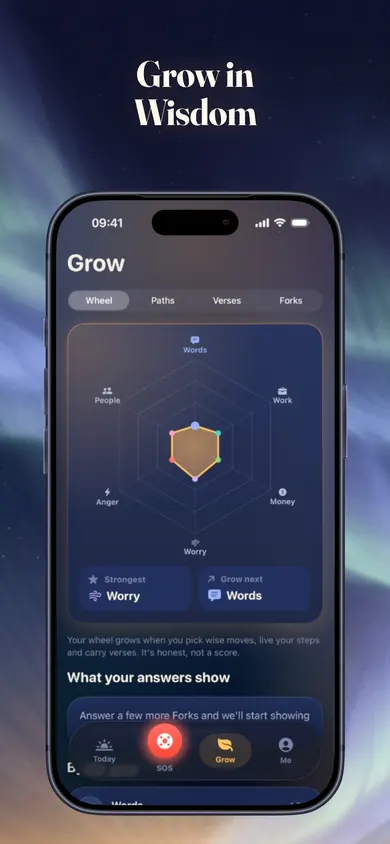
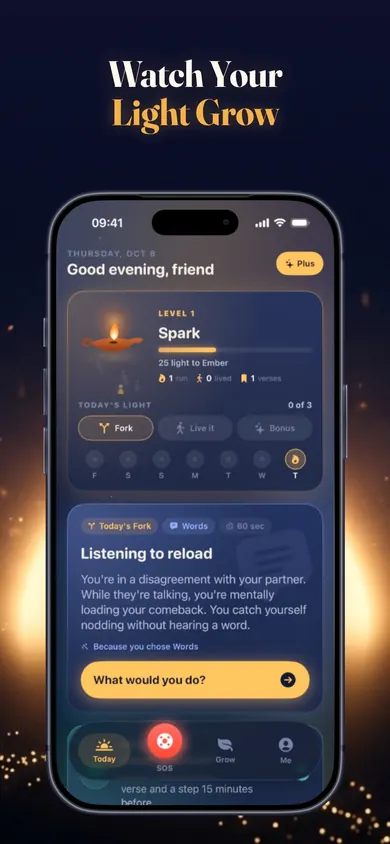
Four taps. You get your buying pattern, one verse to carry, and one rule to try this week.
Question 1 of 4
The Bible doesn’t use the phrase, but it speaks to the pattern: haste leads to poverty (Proverbs 21:5), count the cost before you build (Luke 14:28), life is not the abundance of possessions (Luke 12:15), and contentment is learned (Philippians 4:11). The common thread is slowing down before you spend.
Not in itself. Scripture warns against covetousness, debt that enslaves (Proverbs 22:7) and the love of money (1 Timothy 6:10), not against every unplanned purchase. A coffee you didn’t plan is not the issue; a pattern that controls you is.
A common budgeting rule: wait one full day before buying anything that wasn’t on your list. Many people use a longer 7-day or 30-day wait for bigger purchases. The quiz on this page suggests a wait based on how you tend to buy.
Proverbs 25:28 is a good one to memorise: “Like a city that is broken down and without walls is a man whose spirit is without restraint.” It pictures self-control as protection, not punishment.
No. Lampstep has no budget, bank connection or spending tracker. It trains your response to moments like the 1 a.m. cart with a verse and one small step. Money is one of six areas you can pick, and Money Without Worry is one of its eight Paths (first days free, the full Path with Plus).
Talk to someone qualified: a nonprofit credit counselor or a trusted financial adviser. A Bible verse app can help with the moment, but it isn’t debt advice.
An illustration, not a testimonial.
The kids are asleep, the phone is bright, and a $64 jacket is in the cart with a banner that says “3 left”. Her thumb is on the button. That afternoon her Lampstep Fork was about this exact moment, and she had tapped “leave it until morning” without much thought.
She closes the tab. Not the cart, just the tab. At breakfast the jacket is still there, still $64, still “3 left”. She doesn’t buy it. In the evening check-in she taps “Did it”, and the lamp gets a little brighter.
Nothing heroic happened. That is the point.
Honest limits: Lampstep’s free tier is SOS, today’s Fork, the evening check-in and Proverb of the Day. Lampstep Plus adds all 120 Forks, every Path including Money Without Worry, unlimited Ready Verses and Tomorrow Prep: $49.99 a year or $69.99 Family (14-day free trial), $9.99 a month or $129.99 lifetime, USD. iPhone only. Not debt or financial advice; if spending has become debt, talk to a nonprofit credit counselor. A decision we made: no spending tracker, so nothing about your money ever leaves your phone or reaches us.
One minute a day, so the verse is already there when the cart is full.